
Running a Sex Offender Check in Jasper County
The Texas Public Sex Offender Registry is the main official search for Jasper County. Filter the statewide records by county, city, address, ZIP code, or name. Search more than one way because spelling, city limits, recent moves, and approximate map locations can change which results appear. No separate county map was confirmed as a more complete source.
For a matching profile, compare the photograph, aliases, physical description, registration authority, status, and offense data. The listed address may lag a move, and the map pin may be approximate. Use the official DPS registry search shown below, then contact the responsible local authority about a suspected error rather than confronting anyone.
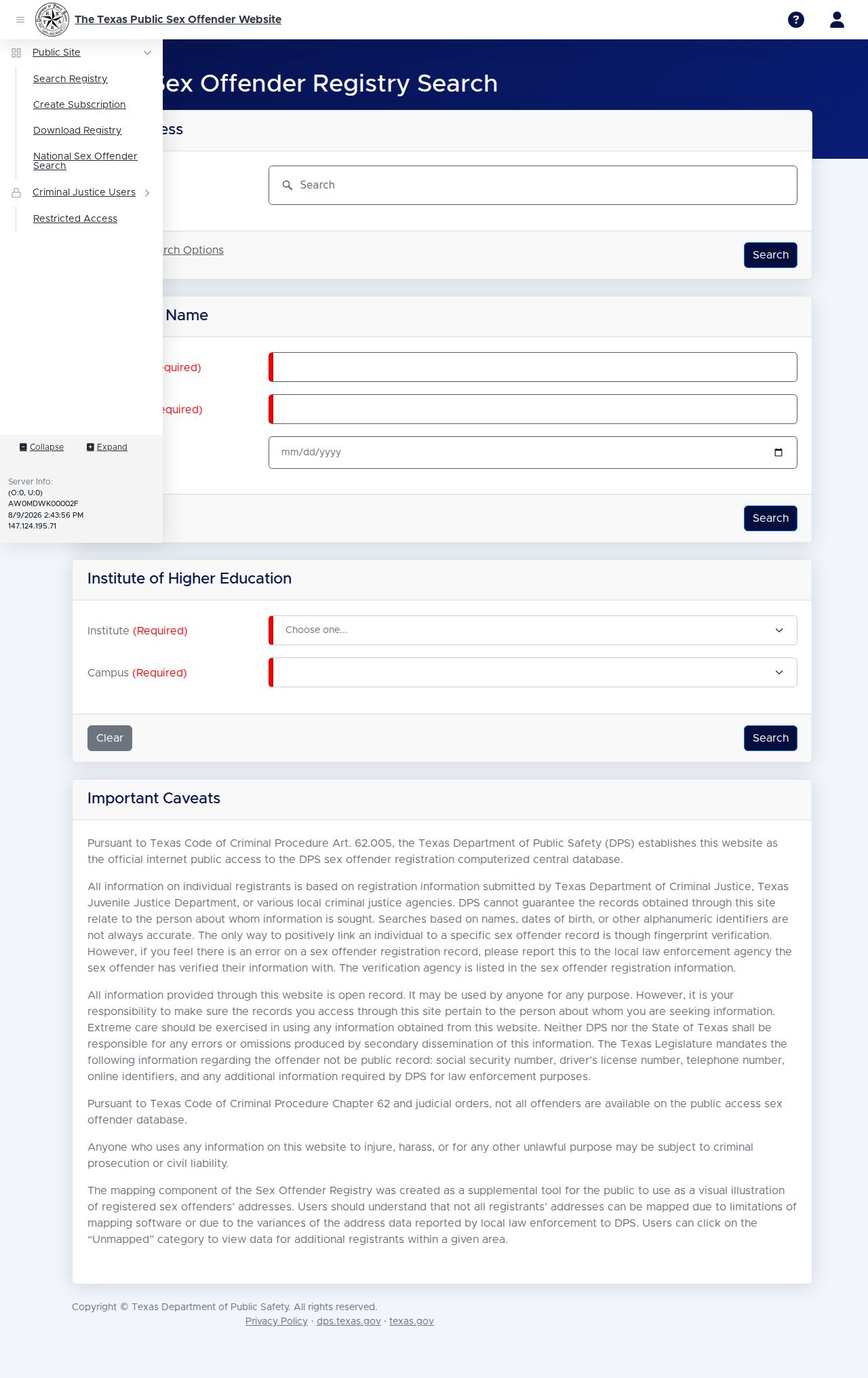
The search interface supplies the county, city, address, name, and map routes used for local checks.
Searching the Texas Public Sex Offender Registry
Texas DPS runs the public registry under Code of Criminal Procedure Chapter 62. Start broad with Jasper County, then repeat the search with a city, ZIP code, address radius, or name. Results are a public-safety location and registration tool. They are not a complete criminal history and do not establish present misconduct.
- Open the DPS public registry and review its current search conditions.
- Select Jasper County or search by city, ZIP, street address, or a name with spelling variants.
- Review both map and list results. Do not assume a pin is the exact property location.
- Open a profile and compare identifiers, reporting authority, offense, status, and verification dates before relying on it.
| Field Label | Type | Required | Notes |
|---|---|---|---|
| Last / First Name | Text | Route-dependent | Use full spellings and reasonable variants. |
| Address | Text | Address route | Geocodes a street or location. |
| City / ZIP | Text or select | Optional | Use Jasper, Kirbyville, or a five-digit ZIP. |
| County | Select | Optional | Select Jasper County for the county-wide list. |
| Radius / Map | Select and view | Address route | Offered distances should be checked live. |
DPS also explains the Texas registration program and notification rules.
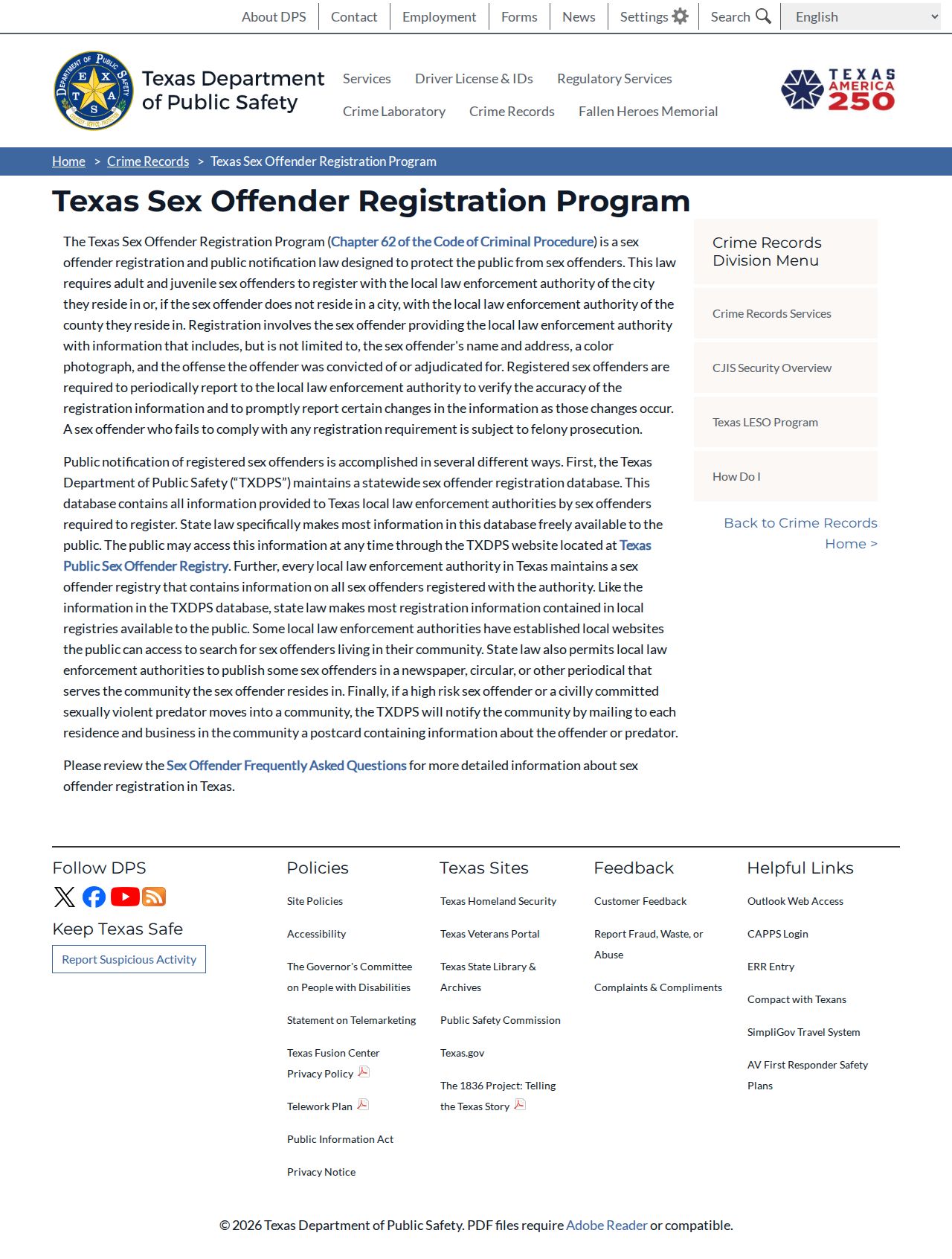
The program page supplies context that a result list alone cannot provide.
Jasper Registry Search Beyond Texas
A Jasper County search in the Texas registry is the best state-specific route. The National Sex Offender Public Website adds cross-state coverage when a person may have moved or when a search area crosses jurisdictions. NSOPW gathers public registry results from participating jurisdictions, but the source profile and responsible local authority still control verification.

Use the national layer to widen the search, then return to the underlying official jurisdiction for detail.
What a Registry Profile Shows
A public profile can combine identity, location, status, offense, and reporting fields. Read the profile as a whole. A photo or name alone is a weak match, while the reporting authority and verification dates help show which office maintains the record. Article 62.005 keeps certain identifiers and victim information out of public view.
| Name & Aliases | Public names and aliases used to distinguish records. |
|---|---|
| Photo & Description | Photo, age or birth data, height, weight, hair, eyes, and marks when public. |
| Registered Address | Reported residence and the local authority; location may lag or map approximately. |
| Offense & Statute | Reportable offense, law, court or state, and adjudication date. |
| Public Risk Data | Risk level where assigned and legally published. |
| Registration Status | Status, verification dates, duration data, and reporting authority. |
Excluded fields include Social Security and driver-license numbers, phone numbers, online identifiers, employer contact data, confidential DPS fields, and victim-identifying information. Some juvenile information can also remain nonpublic.
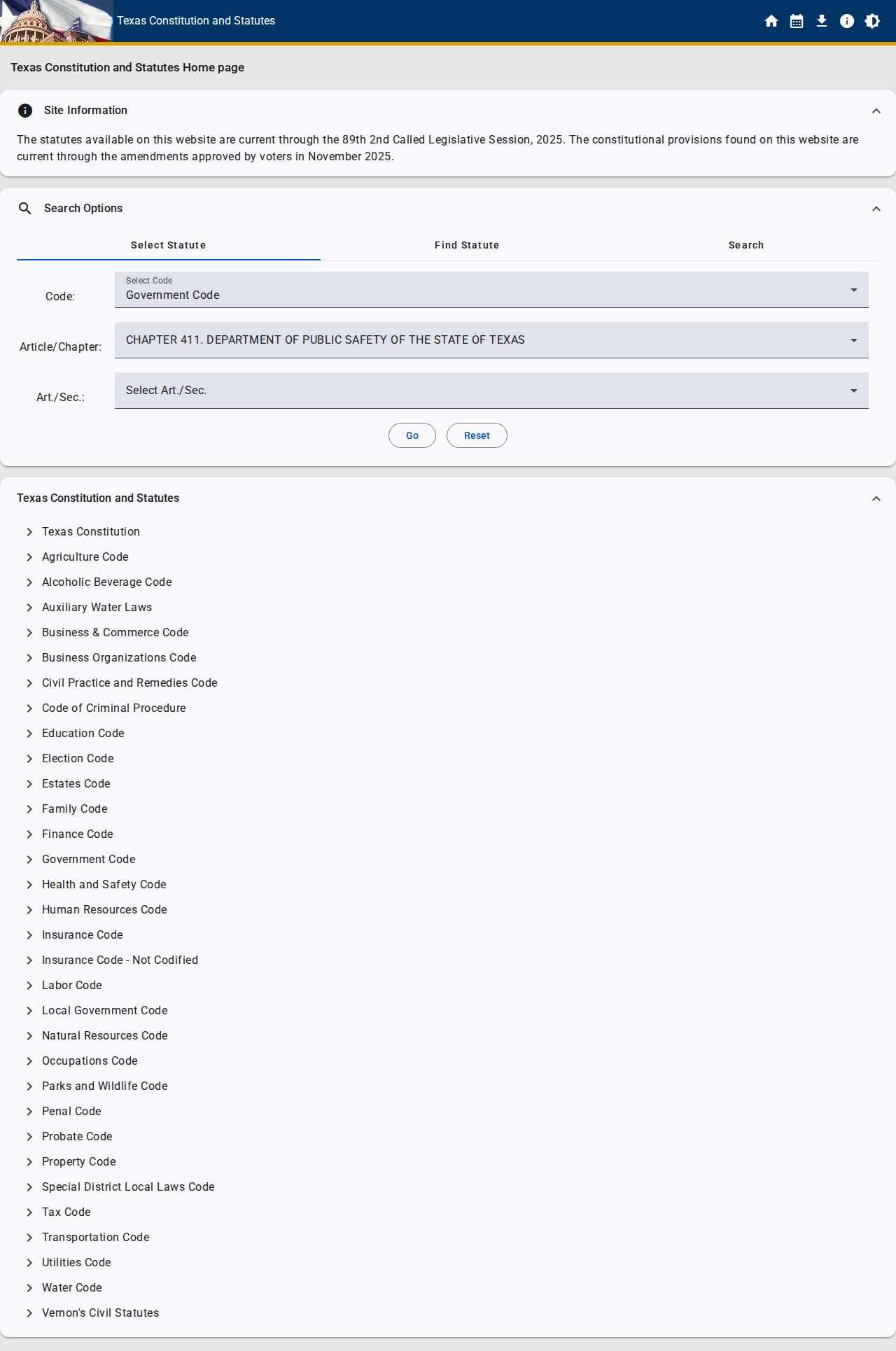
Registration Requirements and Levels in Texas
Texas does not fit public records into a simple universal consumer-facing Tier I, II, and III chart. The reportable offense and Chapter 62 provisions control duration and verification. Some duties last ten years after the statutory release or discharge point. Many listed serious or repeat offenses require lifetime registration. Verification can be annual, every 90 days, or another statute-specific schedule.
| Category | Duration | Verification |
|---|---|---|
| Ten-year duty | Only when Chapter 62 places the offense here | Use the offense-specific rule |
| Lifetime duty | Enumerated serious or repeat reportable offenses | Annual, 90-day, or another required cycle |
| High risk or civil commitment | As the governing law requires | Enhanced checks or notice may apply |
| Juvenile | Special court and deregistration rules | Some information may be nonpublic |
Read the current Texas Code of Criminal Procedure Chapter 62 for the precise offense and duty.
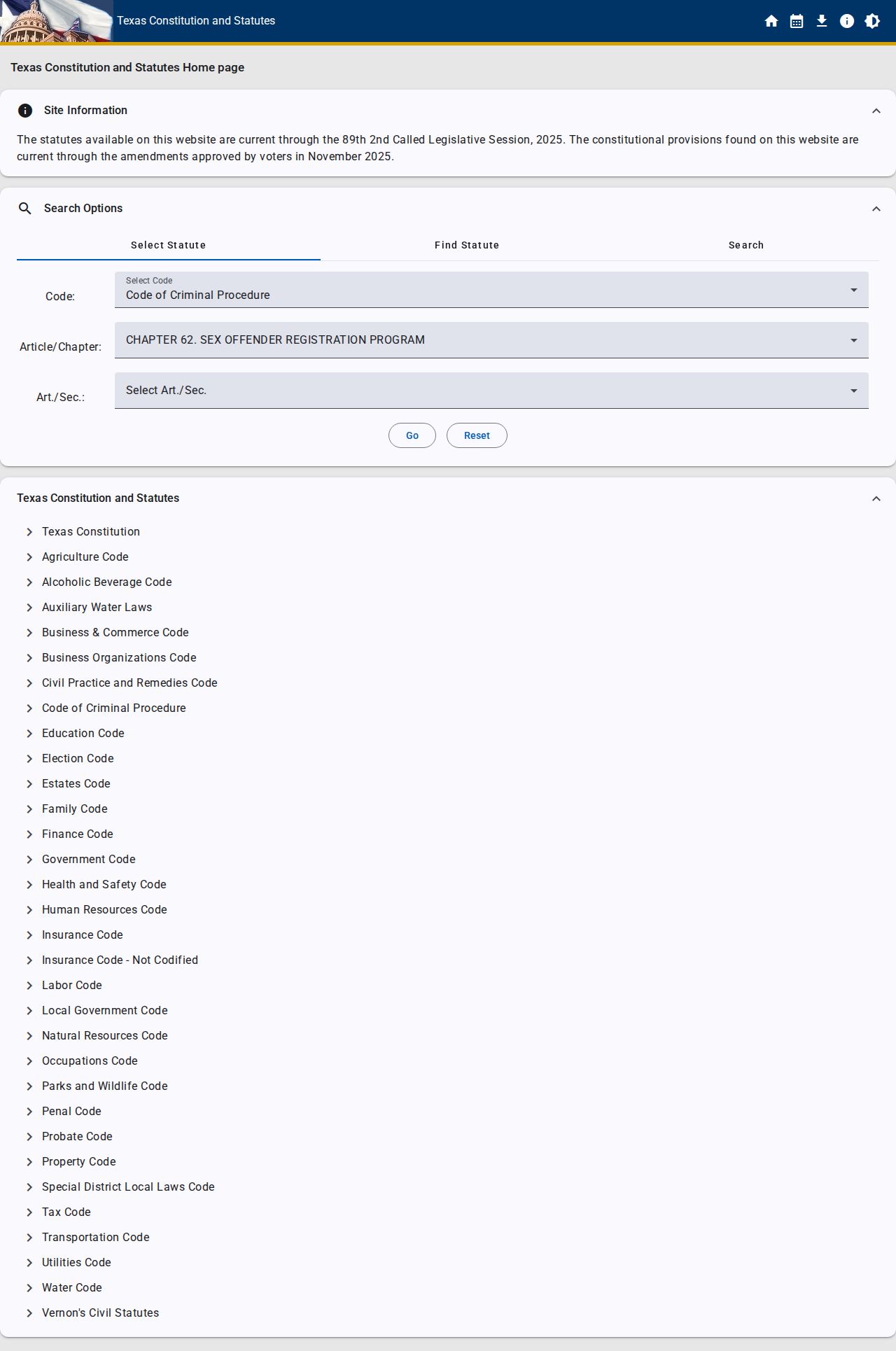
The statute, not a generic tier label, controls the Jasper County registration term.
Duration calculations can turn on the precise offense, adjudication, release or discharge date, repeat history, and later court action. A ten-year description does not necessarily mean ten years from the conviction date. Lifetime duties cover many enumerated serious or repeat offenses, and enhanced reporting may apply to certain high-risk or civil commitment statuses. Juvenile registration has separate court, publicity, and deregistration provisions. For that reason, the safest public reading identifies the listed offense and status without guessing at a missing tier.
When a Jasper Map Pin Looks Wrong
Map pins can be approximate, and reported address data can lag a move. First compare the full profile, city, ZIP, status, and reporting authority. Repeat the search by name and address. If the conflict remains, contact the Jasper Police Department, Kirbyville Police Department, or Jasper County Sheriff shown as the likely registration authority. Give the public record details without posting private information elsewhere.
Suspected failure to register should be reported to law enforcement. Do not visit the address or confront the person. The local authority can check compliance records and route a correction to DPS when appropriate.
Jasper County Community Notification
Texas community notice can occur through the DPS database, local registration authorities, permitted publication, required school notices, and postcard notification when a high-risk offender or civilly committed sexually violent predator moves into a community. The type of notice depends on legal status and facts, not merely the county search result.
The Texas Uniform Crime Reporting program page shows a separate public-safety data system.
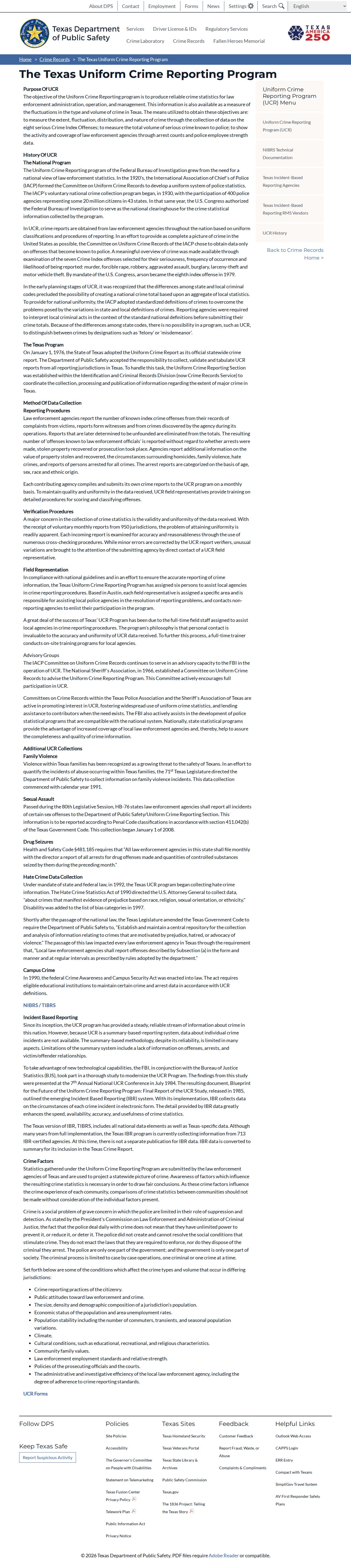
Crime statistics and registry records answer different questions and should not be merged into a claim about a person or neighborhood.
Lawful Use and Community Notification
The registry supports personal, family, and community safety awareness. It does not prove that a listed person has committed new misconduct, and it should not be used as a substitute for a current court case or police report. Verify identity and public details with DPS and the local authority before relying on them.
Misuse warning: Texas Code of Criminal Procedure Chapter 62 does not authorize threats, harassment, vigilantism, or unlawful discrimination. Report a concern to law enforcement and never confront a registrant or household.
DPS warns users to verify registry information. Preserve that distinction when sharing a safety concern: describe the official public record, avoid claims beyond it, and direct suspected noncompliance to the authority responsible for the address.
Reasonable community awareness can include checking an address before a family visit, reviewing the official radius results for a neighborhood, or signing up for an available government notice. The result should be treated as a time-sensitive public record. Save the date of the search, reopen the current profile before relying on old information, and check NSOPW when movement across state lines is relevant. If immediate danger or a crime is suspected, contact law enforcement through the proper emergency or nonemergency channel rather than using the registry as an investigative tool.